


You’ve found a resource or tool you know will make your life as a veterinarian easier, and you can’t wait to put it into practice.
But first, you need to persuade your practice owner or manager that providing the resource at your clinic is a no-brainer.
When they’re unfamiliar with the resource—and have their eyes on the practice budget—a new expense can sometimes be a tough sell. But following a few simple steps can help steer the decision in your favor.
For instance, if you’ve had your eye on a subscription to Standards of Care™ (formerly Plumb’s Pro™), following these steps can get you closer to clinical decision support in your pocket.
Step 1: Focus on the Benefits
The first step in your discussion is to call attention to the core benefits you can get from Standards of Care™ (especially the ones your practice owner or manager cares most about), like:
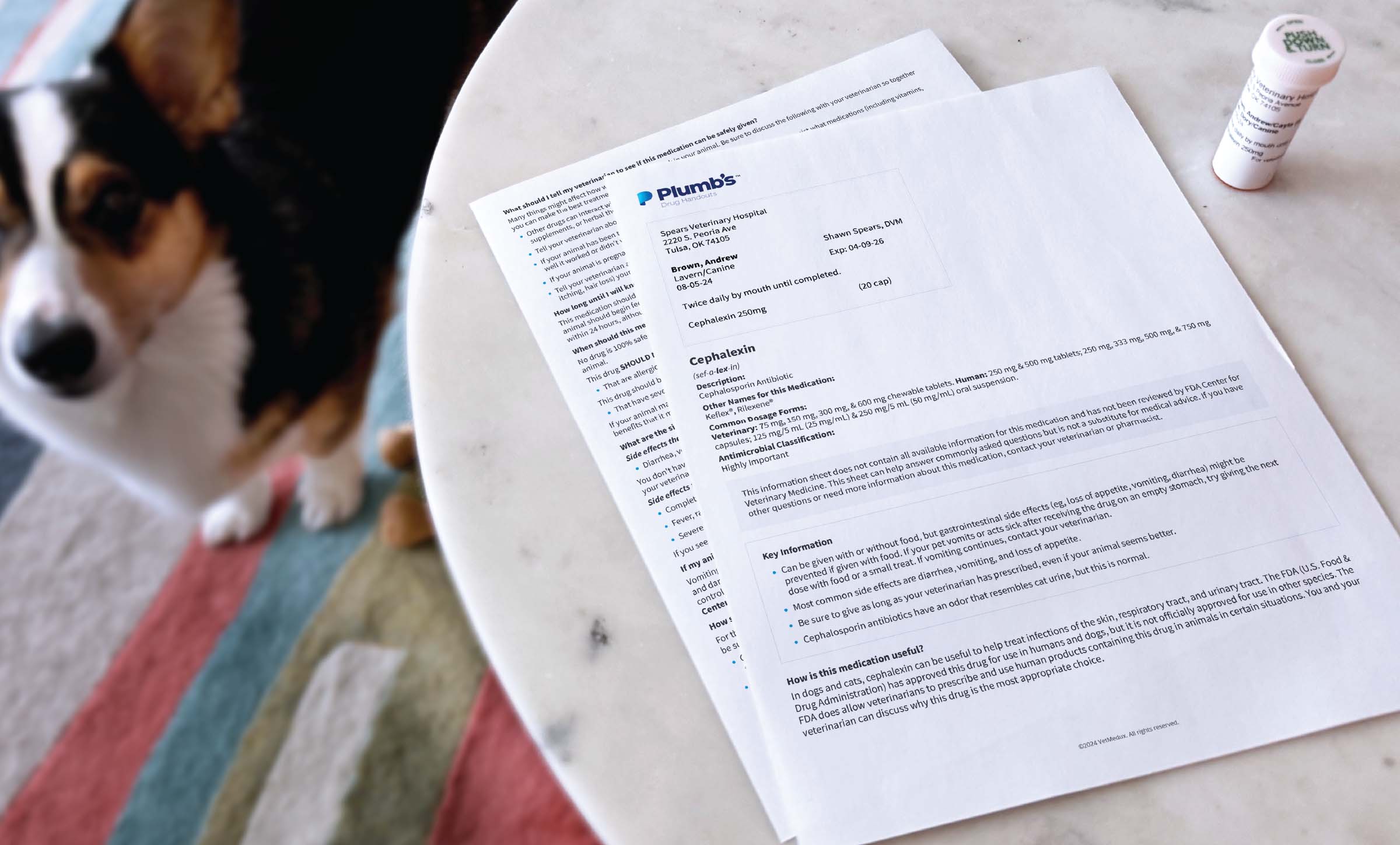
- Efficient pet owner education: Improve client understanding and compliance by sharing easy-to-read handouts on drugs, clinical conditions, procedures, and preventive care.
- Current and comprehensive clinical information: Quickly access trusted, continually updated drug information and diagnostic and treatment details on hundreds of clinical conditions and signs.
- Reliable decision support: Make confident clinical decisions with the support of tools like a veterinary-specific drug interaction checker and algorithms that provide step-by-step diagnostic and treatment guidance.
Consider sending your practice owner or manager a link to the Standards™ demo video to give them a better idea of how these features can fit into your workflow and help you work through a case.

Step 2: Highlight the Value
Once your employer has an idea of the benefits Standards™ provides, it’s time to demonstrate the value it can bring to the practice—and how it can make you more efficient and effective.
Share how Standards™ will help you:
- Save time and boost efficiency: Quickly access diagnostic and treatment information and drug details without searching online forums or flipping through textbooks.
- Reduce medication mistakes: Safeguard patients from potential drug interactions and ensure clients know how to correctly administer and store medications and what adverse effects to watch for.
- Improve client understanding: Help pet owners process and understand the crucial details about their pet’s diagnosis and treatment so they can provide confident care at home (and potentially save you a round or two of phone tag).
- Ensure you stay up-to-date: Stay current on new drugs and indications and get the latest guidance for diagnosis and treatment without needing to search online or wait for a new textbook edition.
Step 3: Address Cost Concerns
Showing your employer that you’ve considered and understand their point of view can make a world of difference.
You know practice finances have to be taken into account, so you can let your employer know you’ve spent time researching cost-effective options and discounts, like the current introductory rate for new subscribers ($499 per year) or the discount for recent graduates (with proof of eligibility).
If you have any students working in the practice, there’s a student discount that brings the cost to $19.95 per year.
Bonus Tips to Make Your Case
Make sure to choose an appropriate time for the discussion or schedule a sit-down meeting with your employer so everyone has time to focus and no one feels rushed or pressured into making a decision.
Consider talking to your colleagues about the benefits of Standards™ and getting them on board, too. They’ll also benefit from Standards™, and there’s strength in numbers.
Expect that your employer might resist your proposal at first, so keep some additional points in mind to persuade them. The more you know about what matters most to your employer (eg, cost, quality of care, client relationships), the easier it is to tailor your points to their priorities.
Ultimately, remember that respectfully and knowledgeably asking for what you want—while considering your employer’s point of view—sets the stage for a mutually satisfying employer-employee relationship.